
Refrigeration
Why Refrigerators Fail Early in Tampa
Heat, humidity and packed coils shorten fridge life here. What wears out and what actually helps.
By Wendell Choate · 6 min read
Tampa, Florida
Guides written around what actually goes wrong here. Heat, humidity, hard water, salt air and storm season all shape how appliances fail in this metro, and none of that shows up in a generic manual.
These guides cover the appliance problems that repeat across Tampa: refrigerators failing early because of heat and dust, dryer vents blocking because of humidity, scale from hard water, garage appliances in summer, and what to do when something fails at three in the morning. Each one is written by a member of our team and reviewed before it is published.
Refrigeration
Heat, humidity and packed coils shorten fridge life here. What wears out and what actually helps.
By Wendell Choate · 6 min read
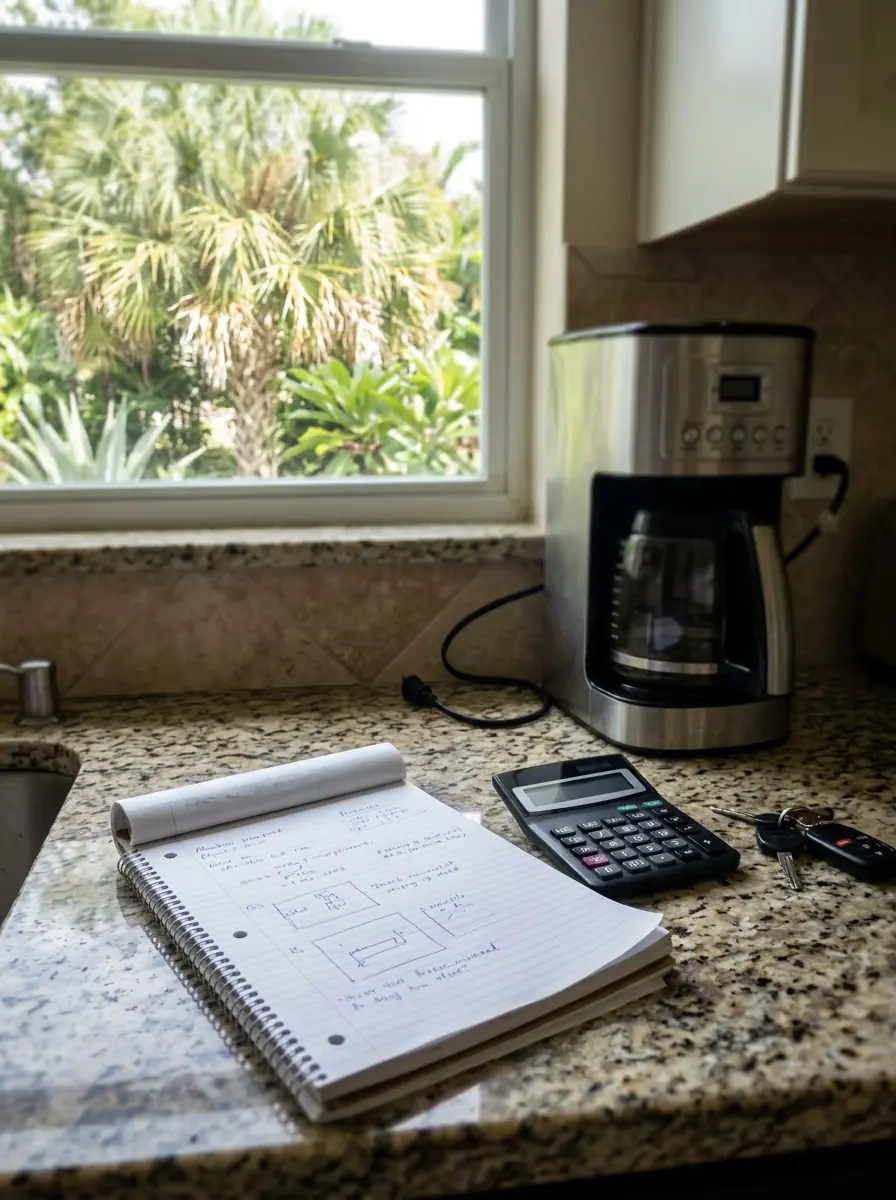
Costs
Planning ranges for common repairs, what moves the number, and what a fair estimate should include.
By Byron Ledesma · 6 min read
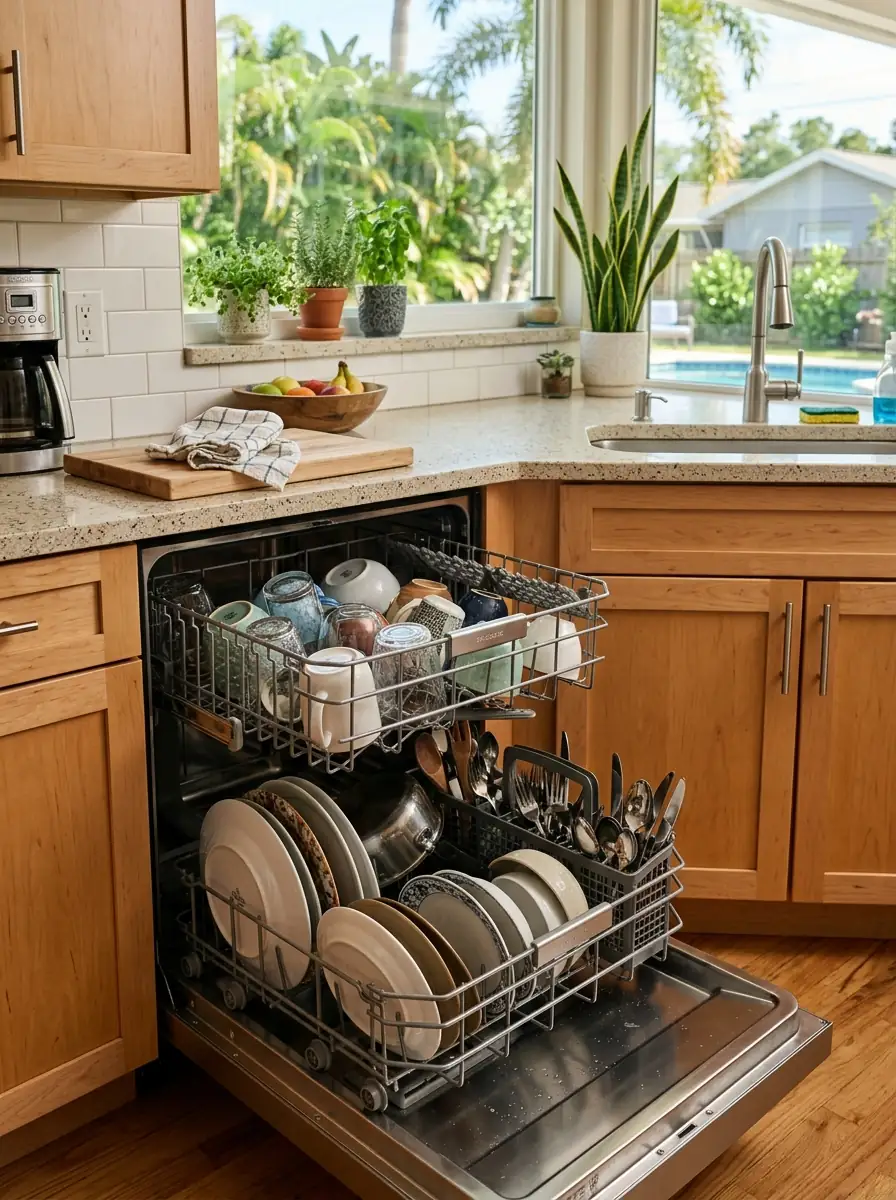
Buying advice
The age and cost rule, plus the built in appliance exception that changes the answer entirely.
By Byron Ledesma · 6 min read
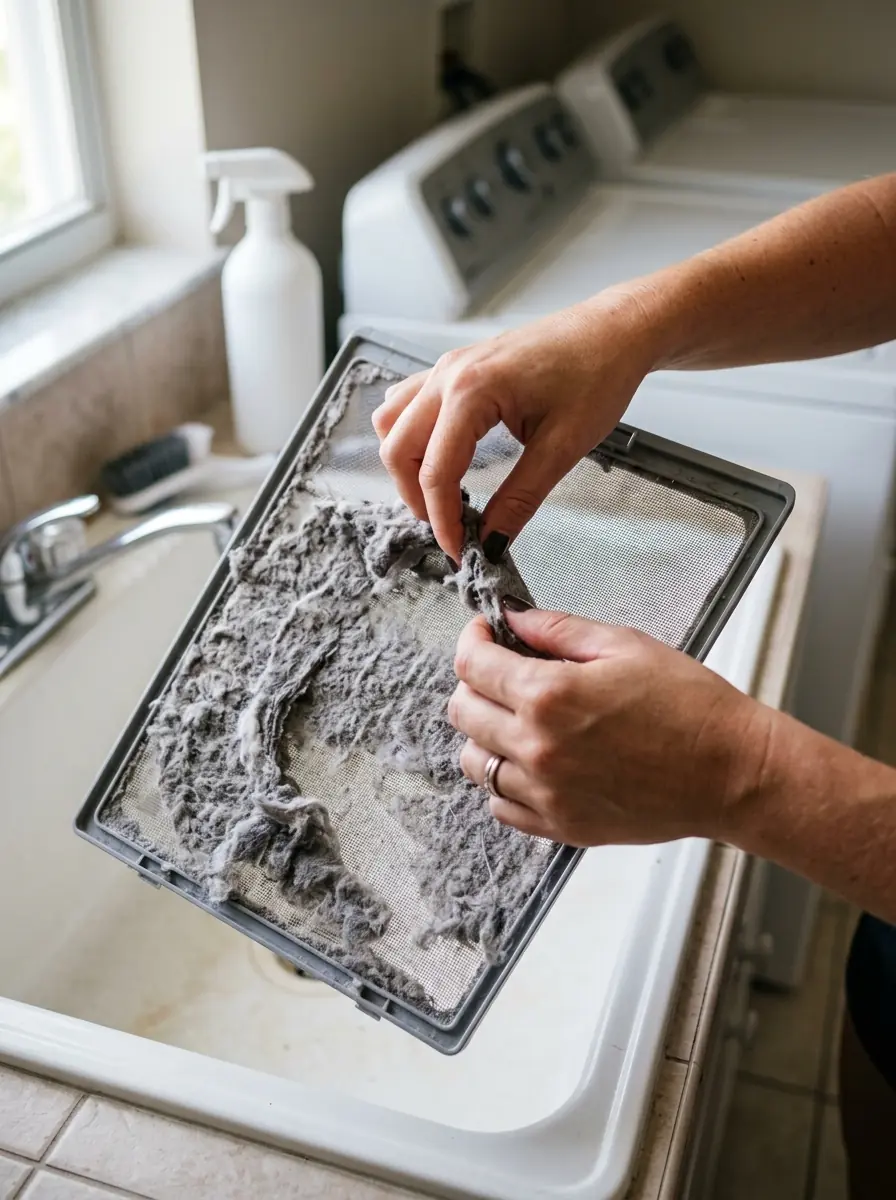
Laundry
Slow drying is the first sign of a blocked vent and a fire risk is the last. How to read it.
By Wendell Choate · 5 min read
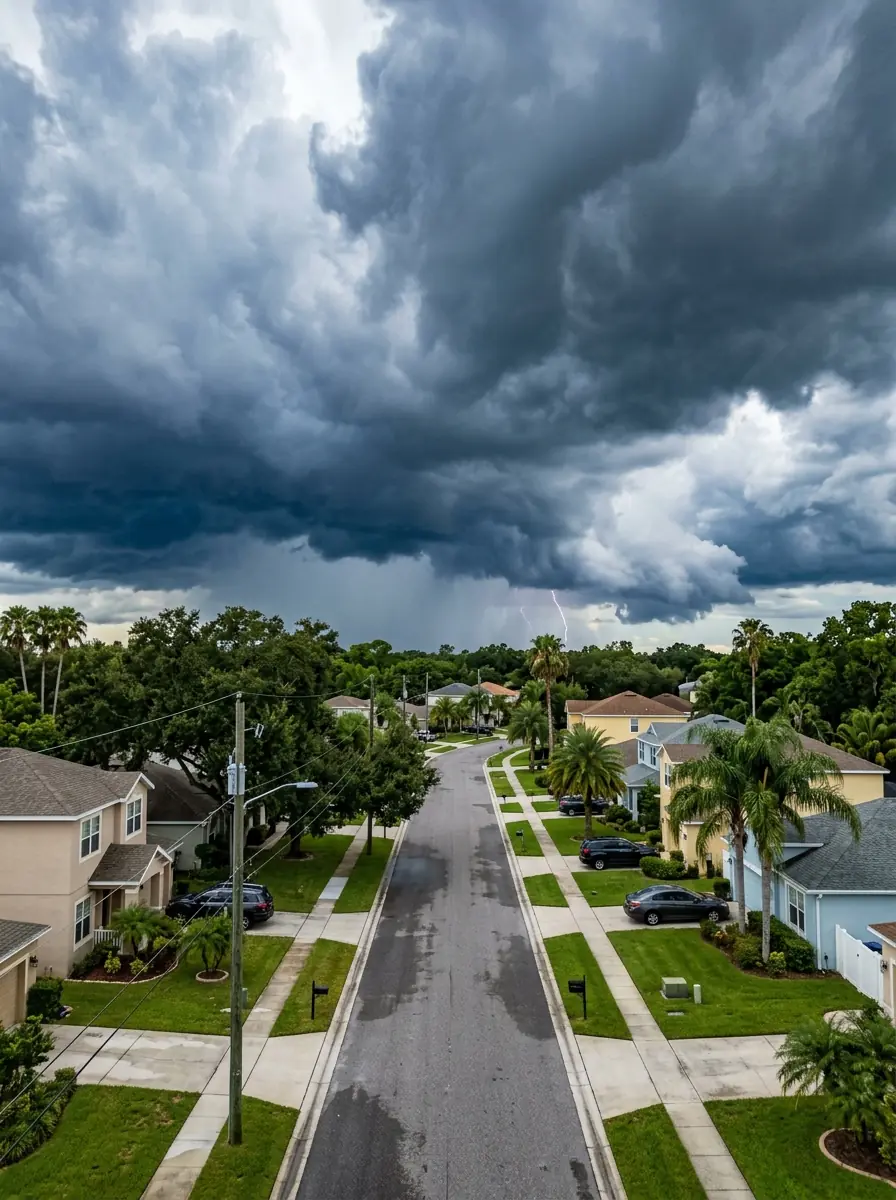
Seasonal
How long food stays safe without power, what to shut off, and what to check afterwards.
By Alma Rutledge · 6 min read
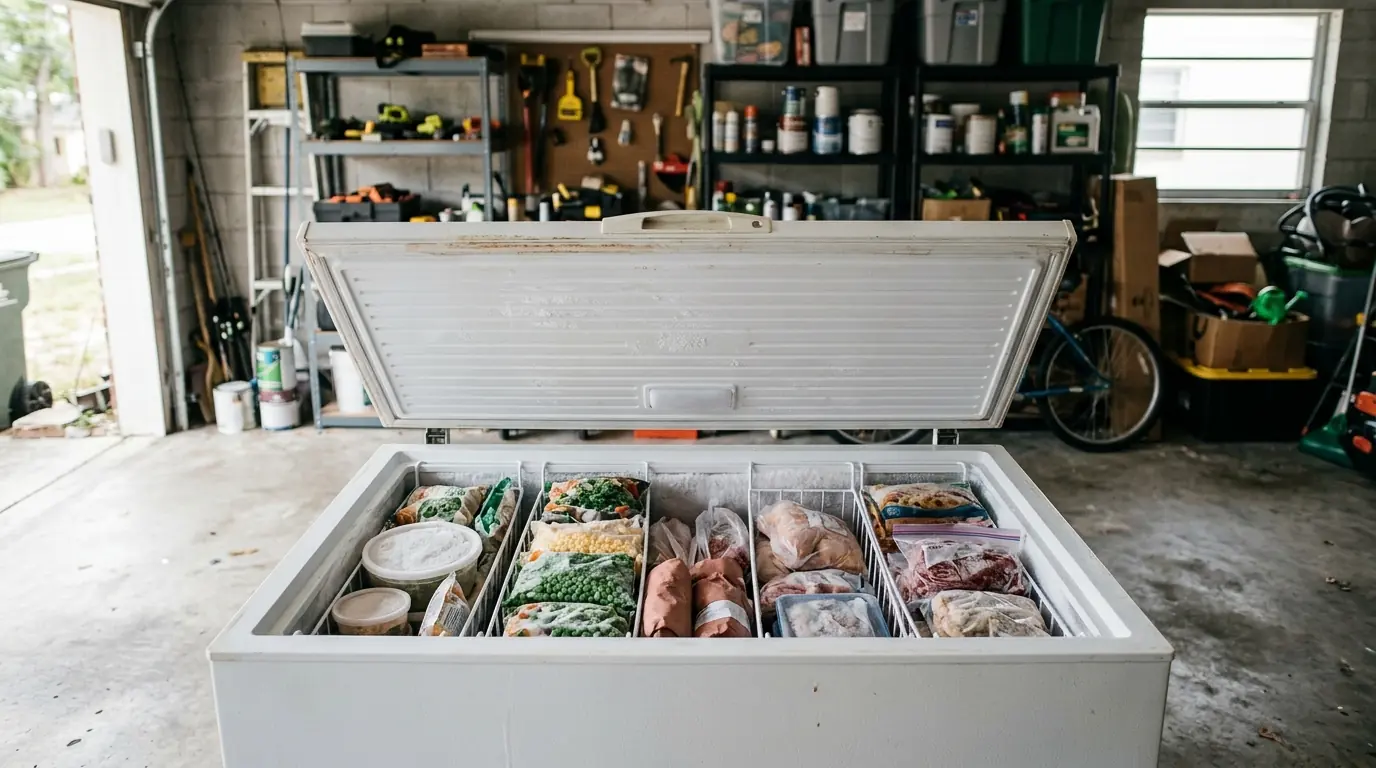
Seasonal
Why garage units fail in August, what garage ready means, and what helps a standard unit.
By Alma Rutledge · 5 min read
Maintenance
Scale sits behind gritty dishes, small ice cubes and short hot water. What reduces it.
By Wendell Choate · 5 min read
Emergencies
Water escaping, a warm fridge, a burning smell. What to shut off before anyone arrives.
By Alma Rutledge · 5 min read
Buying advice
Doorways, alcoves and circuits decide what fits. Measure these before you buy.
By Byron Ledesma · 6 min read
If an appliance is failing right now, the emergency guide covers what to shut off and what to protect in the first ten minutes, which usually matters more than how quickly anyone arrives.
If something is working but working badly, the cause is often environmental rather than mechanical. Slow drying points at the vent guide. Gritty dishes and small ice cubes point at hard water. A refrigerator that never cycles off points at coils and clearance.
And if you are weighing money rather than diagnosing a fault, the cost guide gives the ranges we actually see in this area, and the repair or replace guide explains where the usual rule breaks down. Built in appliances are the big exception, because replacing one is a cabinetry project rather than a purchase.
Most appliance advice online is written for nowhere in particular. It assumes a conditioned laundry room, a kitchen with clearance, municipal water of average hardness and a garage that stays under ninety degrees. None of that describes this metro.
Here the coil loads with dust that holds moisture. The dryer duct runs through an attic that keeps lint damp. Scale narrows spray arm jets years before it should. Salt reaches condensers on the waterfront streets, and the garage that holds your second freezer spends August above a hundred degrees.
These guides are written around those conditions, by the people who see the results of them every week.

Every guide here carries the name of the person who wrote it and the name of the person who reviewed it before publication. The technical pieces come from our lead technician, the cost and buying pieces from our estimator, and the seasonal and emergency pieces from the coordinator who takes the calls.
That matters because appliance advice is easy to write and hard to write correctly. A great deal of what circulates online is generic, repeated between sites, and quietly wrong about the things that decide outcomes, like whether a glowing igniter is a working igniter or whether a thermal fuse failure is a fuse problem.
Nothing here is a diagnosis of your specific appliance. It describes what commonly causes these faults in this area and what a repair usually involves. Where we advise not attempting something yourself, particularly gas components and the high voltage side of a microwave, that advice is meant literally.
Describe what the machine does when you get in touch. That one detail usually narrows the fault to a single part.
Yes. They are written around heat, humidity, hard water, salt air and storm season, which are the conditions that actually shape how appliances fail in this metro. Generic advice assumes none of them.
The technicians and coordinators who take the calls. Each guide carries the name of the author and the name of the person who reviewed it before publication.
For the checks we describe as reasonable to do yourself, yes. Where we say not to attempt something, particularly gas components or the high voltage side of a microwave, that is meant literally rather than as a disclaimer.
No. They are general planning ranges for the Tampa area. The specific appliance, the part and how hard it is to reach all change the number.
They are reviewed as conditions and appliances change. Each page shows when it was last updated.
If something is failing right now, the emergency guide. If a machine is working badly rather than failing, start with the guide matching the symptom, because the cause is usually environmental rather than mechanical.
These are written for households. Light commercial equipment follows the same physics with a much higher duty cycle, and the commercial service page covers that side.
Tell us the symptom and the brand. We will tell you what it usually means before anyone drives out.