Hillsborough, FL
Appliance Repair in Seffner, FL
Refrigerator repair and washer repair in Seffner, FL, 33584. East of Tampa off Interstate 4, Seffner is large lot living with long gravel drives, and the dryer ducts here run through attics that sag and quietly pack with lint.
- Phones answered, day and night
- Most repairs finished on the visit
- Major brands serviced
- Tampa based, not a call center
The Short Answer
Appliance repair in Seffner, FL 33584 covers block ranches and manufactured homes on generous lots from the 1950s to the 1990s. Attic dryer duct runs are the local pattern, and sagging flexible duct collects lint at the low point until it forms a plug that no amount of running the machine will clear.
Large Lots and Long Duct Runs
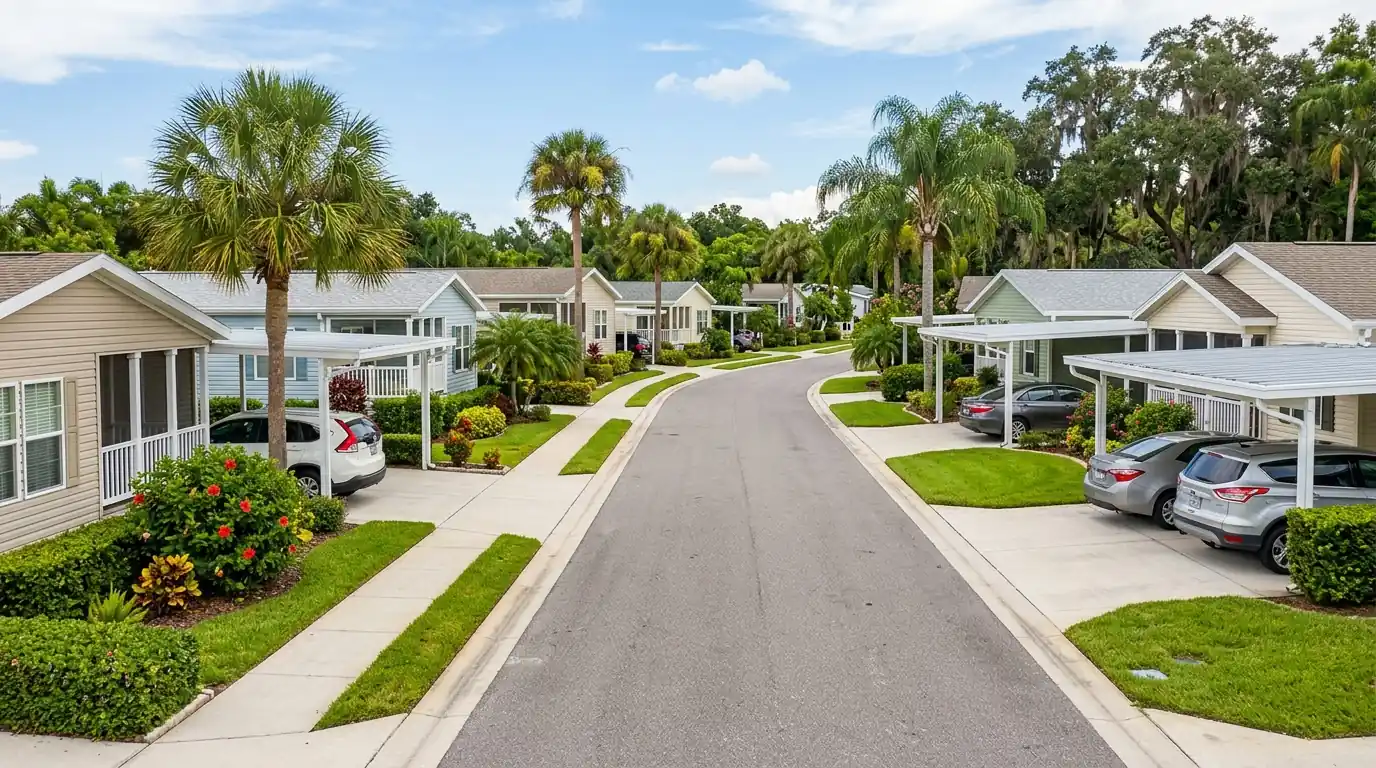
Seffner is a small east county community of block ranches and manufactured homes on generous lots, built through the 1950s to the 1990s around Parsons Avenue and the roads off Interstate 4.
Long gravel drives and detached outbuildings are the character of the place. Houses are set back and there is room, which is pleasant to live in and shapes how a service visit runs.
Inside, the recurring appliance issue is the dryer, and the cause is nearly always a duct that runs through the attic before reaching an exterior wall.
Why Attic Ducts Block So Reliably
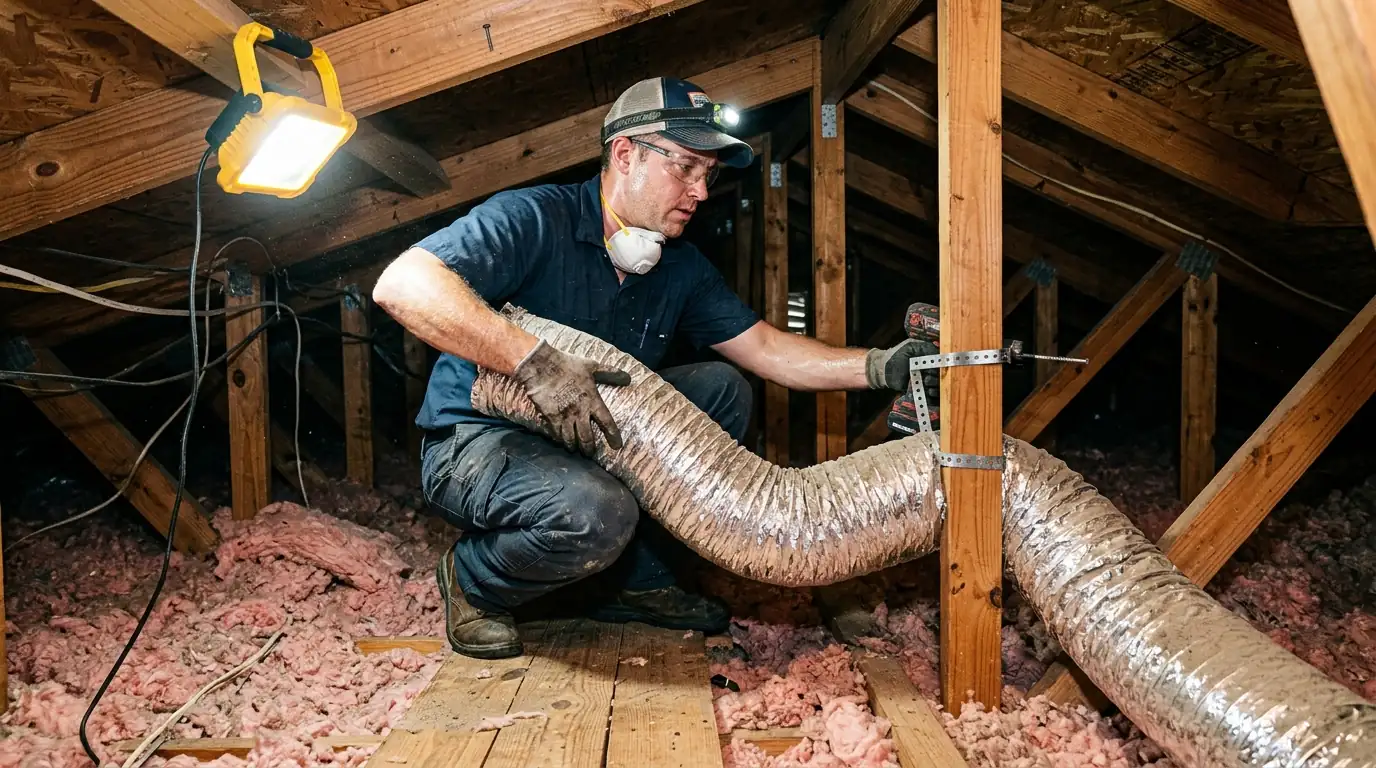
Rigid duct in an attic stays where it is put. Flexible duct does not. It sags between supports into a low point, and every load deposits a little more lint there.
Tampa area attic humidity keeps that lint damp, so it compacts against the duct wall instead of blowing clear. Over four or five years it becomes a genuine plug.
The machine is usually fine. The connection at the machine looks clean. The restriction is twenty feet away above a ceiling where nobody has ever looked.
What Shapes a Seffner Visit
Sagging attic duct sections
Lint collects at the low point and compacts in the humidity.
Long runs to an exterior wall
Large houses put the laundry a long way from any outside wall.
Multiple elbows
Each bend costs the equivalent of several feet of straight duct.
Long gravel drives
Access planned in advance, particularly after heavy rain.
Detached outbuildings
Second refrigeration set well back from the house.
Manufactured homes on the same runs
Skirting access and compact cutouts to prepare for.
Distance from Tampa
Scheduling reflects the drive rather than ignoring it.
Repairs We Run Most Often in Seffner
Laundry leads here, with refrigeration and outbuilding freezers behind it.
The Restriction Is Twenty Feet Away
When a Seffner dryer slows down, the attic section is where the answer usually is, and it is the part a homeowner cannot inspect.
Clearing the visible duct behind the machine is worth doing and it is what most people try. It rarely helps much, because that section is short and reasonably straight. The plug is further along, at the low point of a sagging run above a ceiling.
Clearing the full length restores drying time immediately. Replacing sagging flexible sections with rigid duct stops it rebuilding at the same rate, and where a run has three elbows and one can be removed, that is worth doing once rather than clearing more often forever.
The other thing worth checking is the termination itself. Roof and soffit terminations weather, and a cap that no longer opens freely holds back pressure on the whole run. Freeing or replacing it makes as much difference as clearing the duct.
Beyond that, dryers here are ordinary machines. Elements, thermostats and thermal fuses fail the way they do anywhere, and a repeat fuse failure is the machine telling you the run needs proper vent work rather than another fuse.
Refrigeration out here follows the property rather than the house. Detached outbuildings and workshops hold second refrigerators and freezers, and those face the same ambient heat and dust problems as any rural unit in the east county. Cleaning the condenser twice a year rather than annually is the right interval, and a lid or door seal that has hardened is usually what is costing you rather than the compressor everyone suspects first.
Manufactured homes on these lots need one extra note. The appliances sit in tight factory cutouts and the water, drain and sometimes gas connections run below the floor behind skirting panels, so reaching them means taking a panel off rather than pulling the appliance forward. Replacements also have to match dimensions closely, because there is rarely any cabinetry to modify, and measuring before buying prevents a delivery that goes back on the truck.
Drying time getting worse each year?
The restriction is usually in the attic rather than behind the machine. Call and we will clear the whole run.
Why Seffner Households Call Us
Attic sections cleared properly
That is where the plug forms and where owners cannot reach.
Terminations checked as well
A weathered cap holds back pressure on the whole run.
Rigid duct recommended where it fits
Flexible sections are where lint settles first.
Rural access planned
Long gravel drives are normal work here.
Other Communities We Cover Nearby
Thonotosassa, Plant City and Brandon are covered on the same runs.
Seffner Questions We Get Asked
Because that section is short and reasonably straight. The plug is usually further along at the low point of a sagging attic run, which cannot be reached from the laundry room.
It sags between supports into a low point, lint settles there, and attic humidity keeps it damp so it compacts instead of blowing clear. Rigid duct does not sag.
Almost certainly. The fuse blows because the machine overheats, and it overheats because the hot air cannot leave. Replacing the fuse without clearing the run just resets the clock.
Yes, every time. A weathered cap that no longer opens freely holds back pressure on the whole run, and freeing it makes as much difference as clearing the duct.
Yes, and we plan for it. Mention the access when you book, particularly after a wet week.
Book a Seffner visit
Tell us roughly where the duct runs and how long drying takes now compared with a year ago.